
Shoulder Season Safaris - The Secret Season
There's lots to love about this special time in the bush, and the right price is just a small part of it.
There are many benefis to traveling in non high-season months: better deals, fewer travelers, unique animal sightings and incredibly vibrant landscapes. If you have some flexibility on when you can travel, the shoulder season months can be a real win.
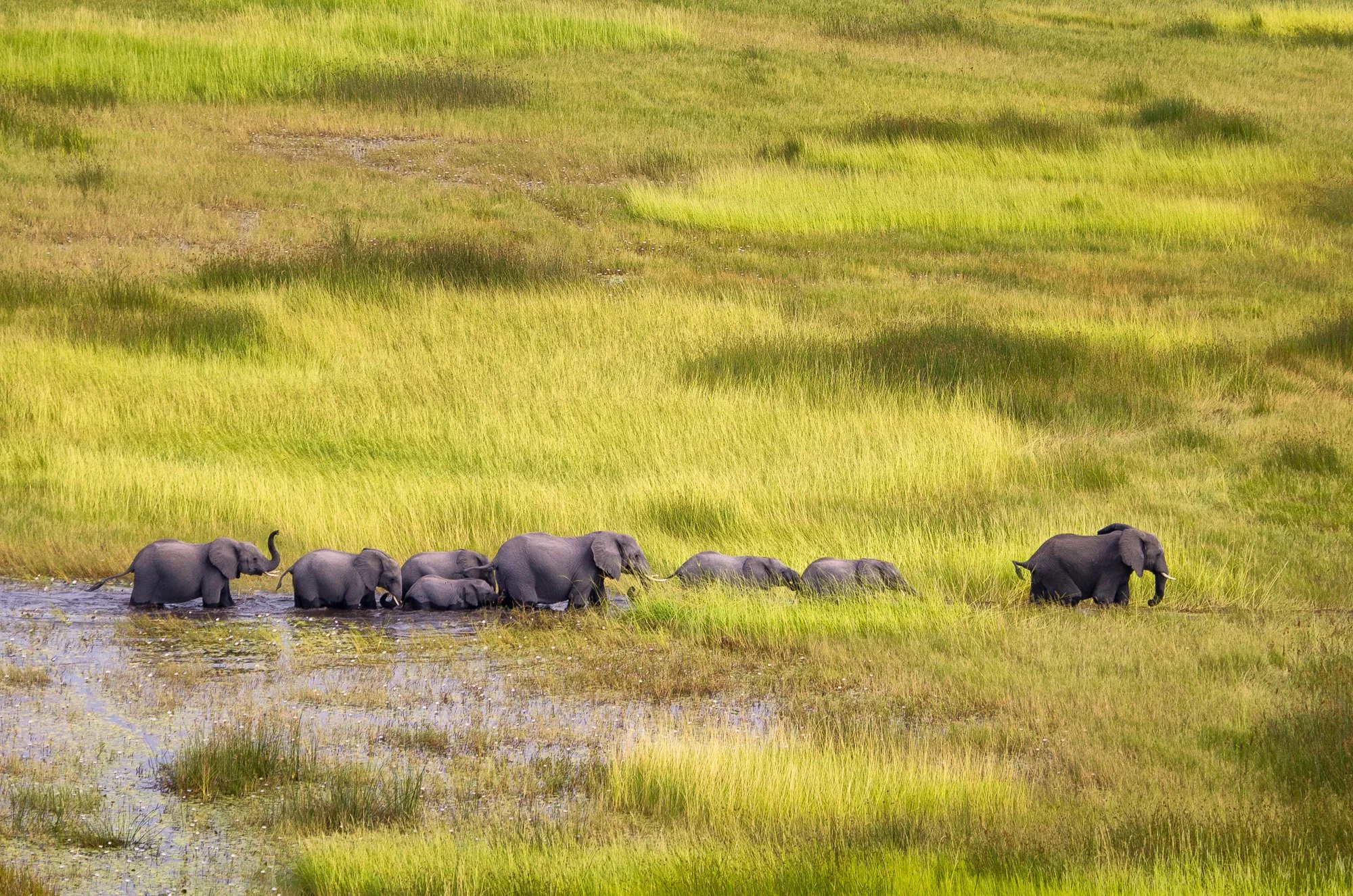
The Okavango Delta
First off, what is the "shoulder season"? It's a term we use in the industry for the months of the year typically known as the "off" or "low" season. It all depends on where you're going, because each African country and region has its own timing. The shoulder season usually refers to the stretch of time on either side of the high and peak seasons in a given country. It can happen a couple of times a year or only once, depending on the region. Some of it depends on migration routes, some on weather, and a lot of it on annual demand, such as the Christmas or summer holidays.
For starters, let's talk about prices. If you're traveling for the first time during peak season, it can feel a little like high-octane sticker shock. However, if you can move a trip forward or back by just a couple of weeks, or maybe even a few days, real deals come into play. Many properties are happy to give significant discounts off high-season prices, and they offer more stay-and-pay deals, such as Pay 3 Nights/Stay 4, or even better, Pay 4/Stay 6. These special combinations are far more plentiful in the off-season and rare or nonexistent at other times. In practical terms, this means you can stay longer for the same price, or you can book the same trip you normally would for far less.
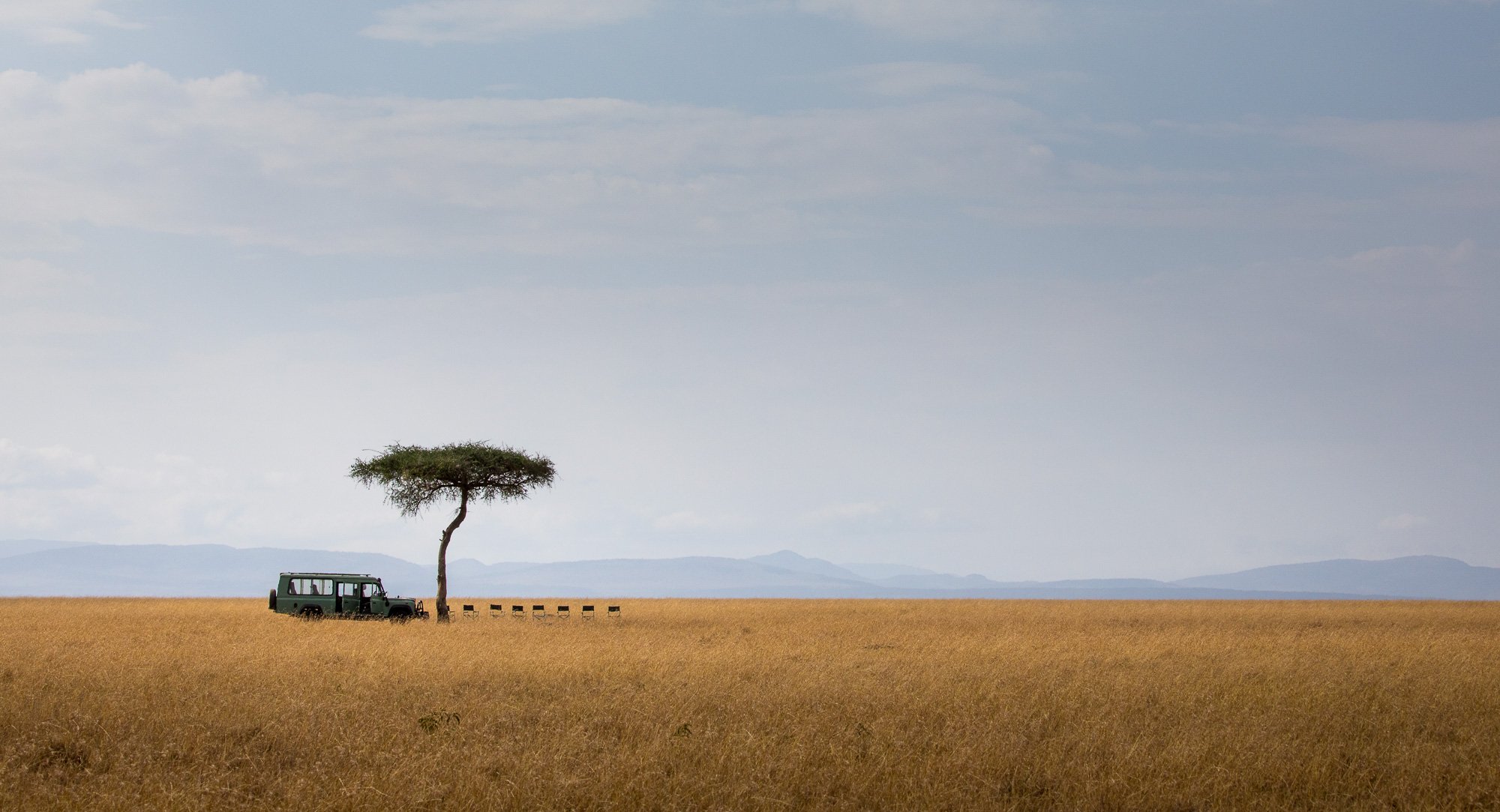
Open spaces and a lack of people
Beyond pricing, one of the greatest gifts of the shoulder season is fewer travelers. This matters a lot when you're trying to capture a photo or video without another vehicle in the way. At some locations, you might be one of the few travelers there, if not the only one. That gives you a feeling of exclusivity and remoteness that you can't get when the camps, parks or conservation areas have more travelers.
And let's talk about the animals! Fewer vehicles means the animals get a break. They're relaxed, at ease, and truly themselves. This leads to more unique sightings and more relaxed game drives. There is also animal behavior you can only experience during the off-season, such as the wildebeest calving season and flocks of migratory birds.
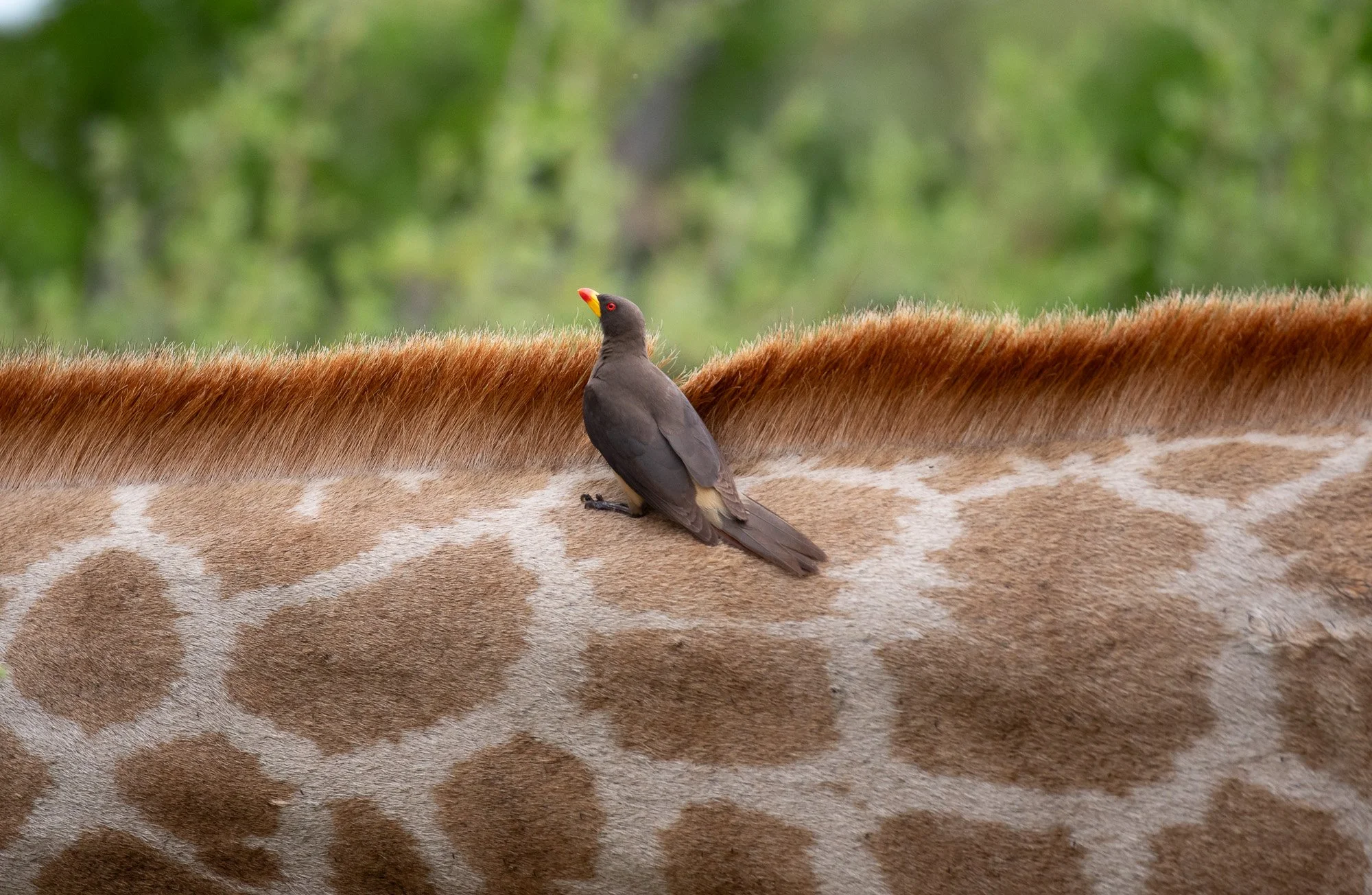
Another gift of the shoulder season is the landscape's vibrant colors. This usually comes from the rains, but that doesn't mean your trip will be a rainy one. You could easily dodge the rains and capture the incredible colors instead. Think of emerald plains stretching to the horizon, full of multicolored wildflowers. And what better way to photograph that lone lion on a hill than against a cloudy backdrop? What better way to enjoy a sundowner than under a rainbow? I'm not kidding: these are real experiences, and they happen most often during the off-season. The landscapes you'll see at this time of year are unmatched in their beauty, and we find they're well worth it.
So the next time you're thinking about your next (or first!) safari, don't automatically rule out the off-season. There are many benefits to going during this special time, many new things to explore and experience, and all at a great value!